


Otranto

Project overview The Transboundary CAMP Otranto project was launched to test the CAMP methodology at a transboundary scale and to strengthen cooperation between Albania and Italy in managing the Otranto Strait — an ecologically significant marine and coastal area shared by both countries. Despite different legal, natural, and socio-economic contexts, Albania and Italy face common […]
Croatia
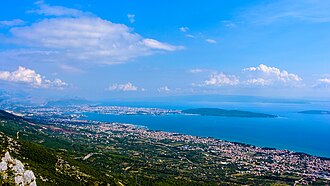
Project overview CAMP Croatia – Kaštela Bay was one of the first area-specific projects implemented under the UNEP/MAP framework. Initially launched as a Country Pilot Project (CPP), it was later integrated into the Coastal Area Management Programme (CAMP). Located near Split, Kaštela Bay was at the time heavily impacted by urban and industrial pressures. Untreated […]
CAMP PROJEKTI
Türkiye
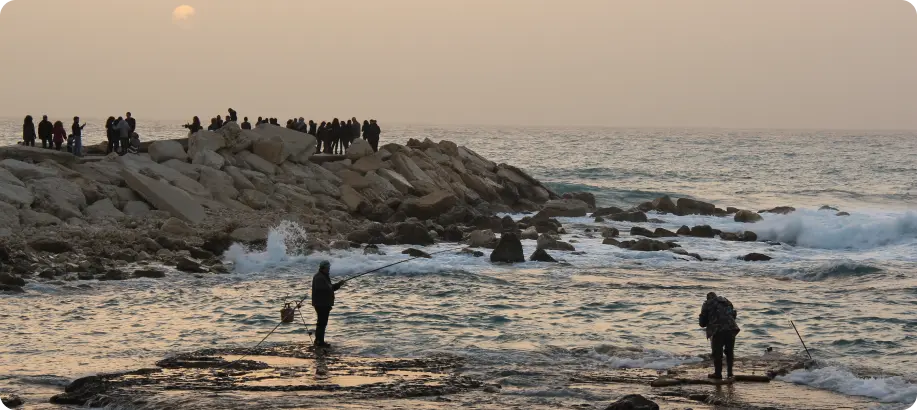
Project overview The CAMP Turkey – The Bay of Izmir project was one of the first Coastal Area Management Programmes (CAMPs) implemented under the Mediterranean Action Plan (MAP) of the Barcelona Convention. It was carried out through a cooperation agreement between the Government of Türkiye and UNEP/MAP. The project focused on the Izmir metropolitan coastal […]
Tunisia
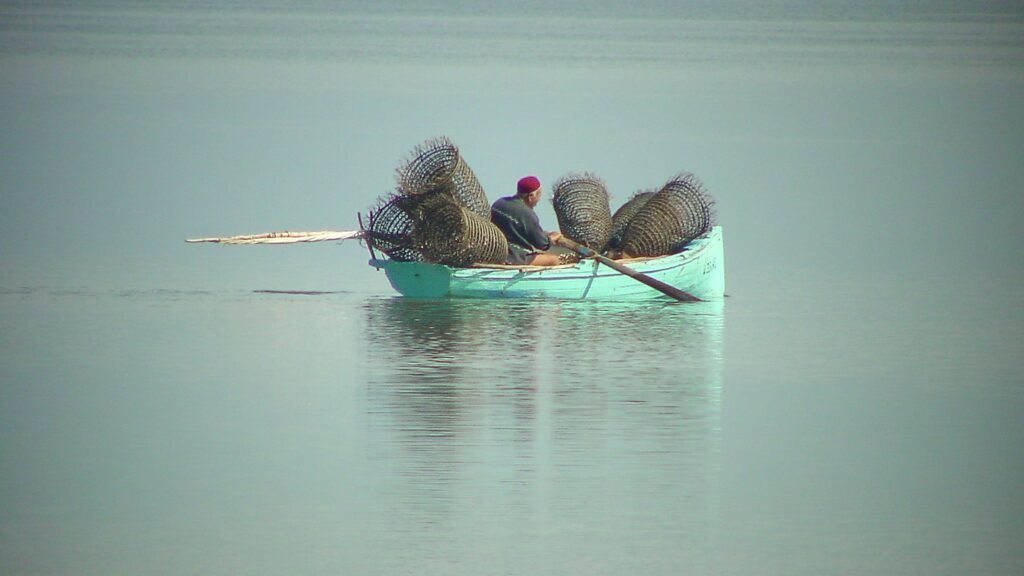
Project overview The Coastal Area Management Programme (CAMP) Sfax was implemented under the Barcelona Convention to support integrated coastal area management in one of Tunisia’s most important industrial and urban coastal zones. The project covered the city of Sfax and its wider metropolitan area (Big Sfax), located on the northern shore of the Gulf of […]
Syria
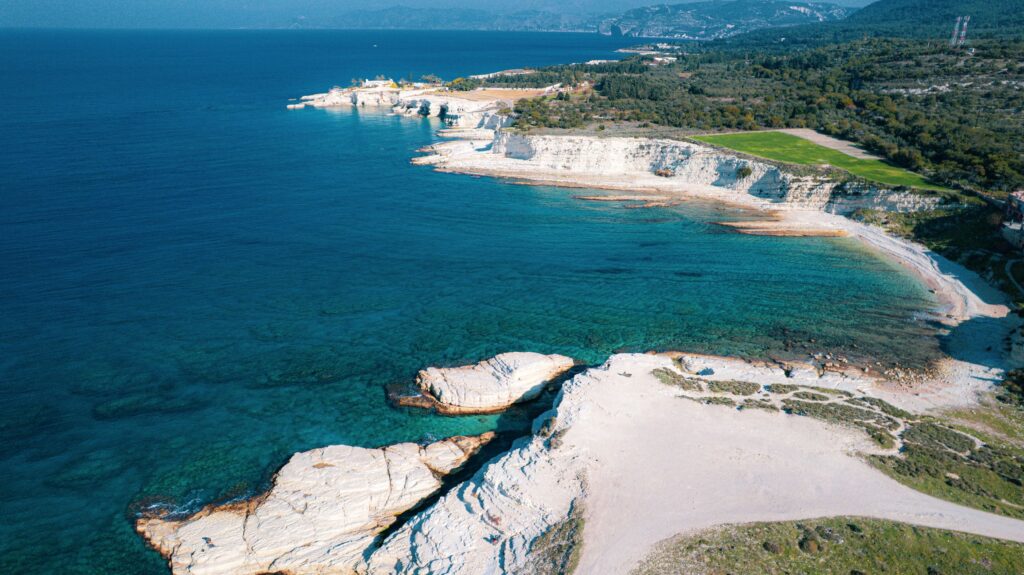
Project overview CAMP Syria focused on the country’s Mediterranean coastal region, extending along 190 km of coastline and representing one of Syria’s most economically and environmentally significant areas. Although covering only around 2% of the national territory, the region accounted for approximately 11% of the population and contributed around 11% of the national GDP. The […]
Spain
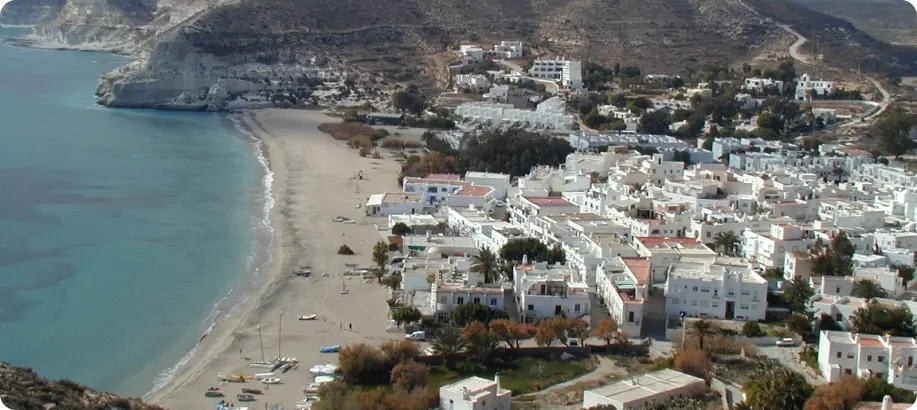
Project overview CAMP Spain was located on the southeast coast. The project covered over 219,000 hectares in the province of Almería, including both land (148,000 ha) and marine (71,000 ha) areas. It involved eight municipalities — Pulpí, Cuevas de Almanzora, Vera, Garrucha, Mojácar, Carboneras, Níjar, and Almería — with flexibility to engage nearby inland areas to […]
Slovenia
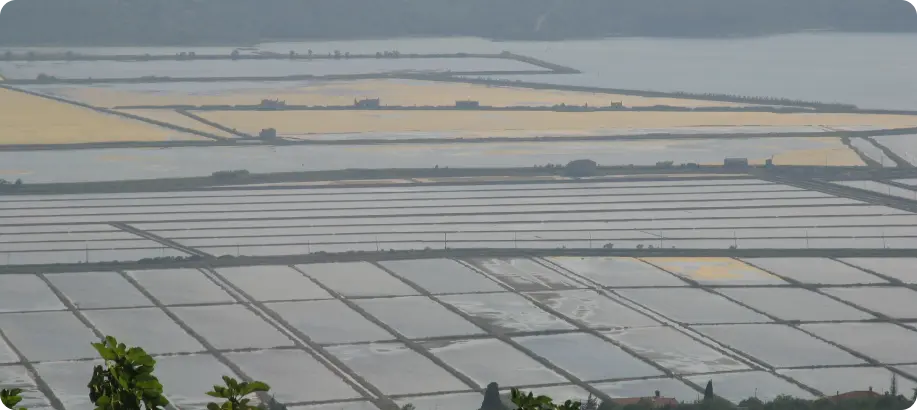
Project overview CAMP Slovenia focused on the country’s small but densely populated coastal region and adjacent hinterland. Depending on the planning scale, the project area included: 3 coastal municipalities, 8 municipalities of the Coast-Karst hinterland region. Home to around 100,000 people (with 80% living along the coast), this economically dynamic area relies heavily on services, tourism, […]
Morocco
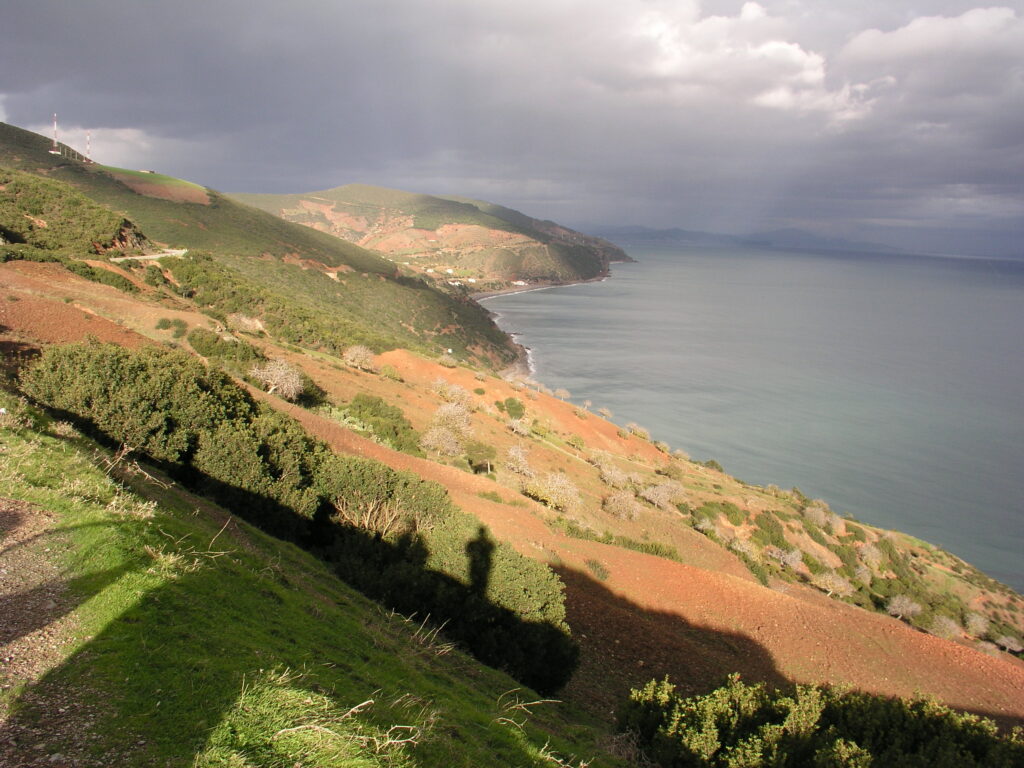
Project overview The CAMP Morocco – The Central Rif project was implemented under the Mediterranean Action Plan of the Barcelona Convention to support the Government of Morocco in applying ICZM principles in the Central Rif coastal area. The project addressed the increasing pressures on the Moroccan Mediterranean coast stemming from rapid urbanisation, tourism development, environmental […]
Montenegro
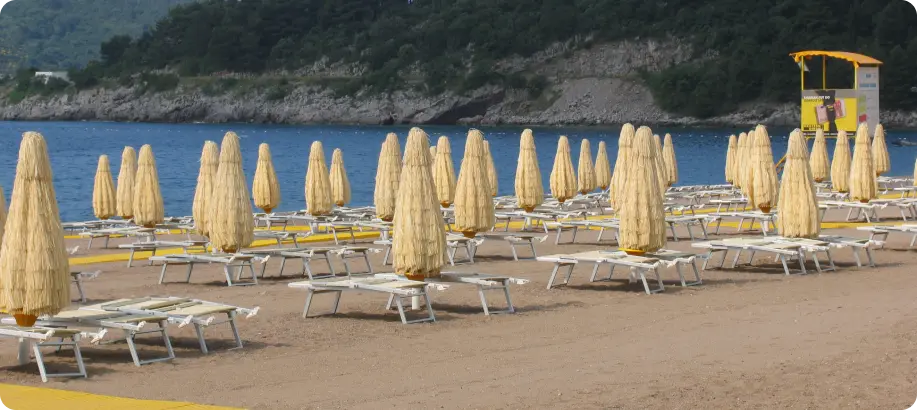
Project overview The Coastal Area Management Programme (CAMP) Montenegro was implemented under the Barcelona Convention following a request by the Government of Montenegro, with the Project Agreement signed in May 2011 after preparatory phases (2007–2010). The project covered the entire coastal zone, including six municipalities (Herceg Novi, Kotor, Tivat, Budva, Bar and Ulcinj), approximately 1,591 […]