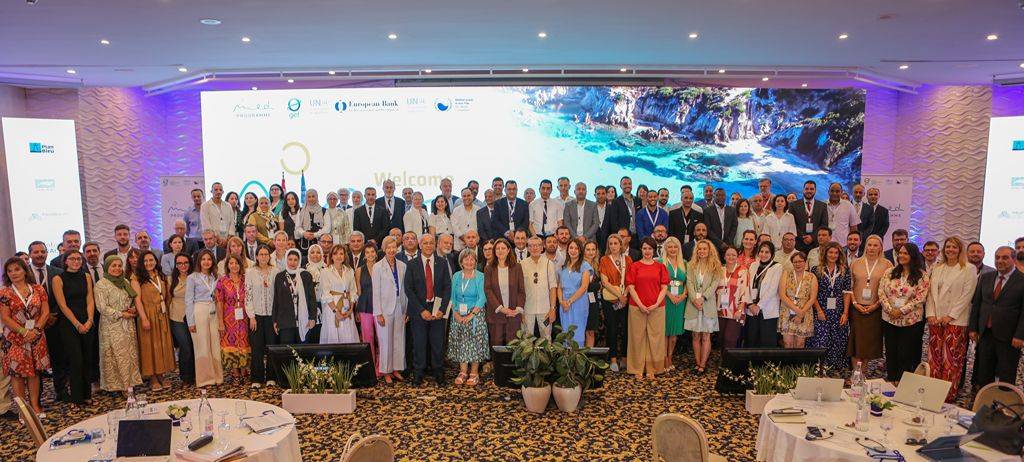
After several years of collaboration, learning, and shared commitment, we are proud to celebrate the successful completion of GEF MedProgramme – Child Project 2.1: Mediterranean Coastal Zones: Water Security, Climate Resilience and Habitat Protection.
This achievement is the result of an outstanding partnership between countries and their national institutions, experts, and countless stakeholders, partnering institutions UNEP/MAP, PAP/RAC, Plan Bleu, GWP-Med, UNESCO-IHP, across the Mediterranean. Together, we have strengthened the foundations for more resilient, sustainable, and better-managed coastal zones.
At PAP/RAC, we are proud of the legacy we leave behind:
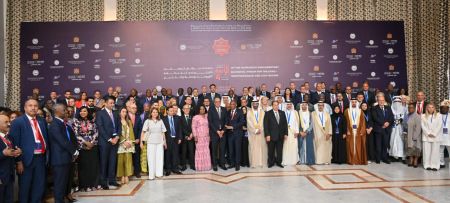
Advancing regional coastal monitoring through the development and implementation of the IMAP Candidate Common Indicator 25 – Land Cover Change, together with methodological guidance, national baseline assessments, and capacity-building activities that support evidence-based coastal planning across the Mediterranean. GEF support assisted this candidate indicator becoming full fledged indicator at COP Cairo 2025!
Developing Coastal Management Plans for two pilot areas: Boka Kotorska Bay, Montenegro and Tangier-Tetouan-Al Hoceima Region, Morocco. These participatory plans integrate climate resilience, ecosystem-based management, and stakeholder engagement, revealing the cost-benefits of reforestation measures and providing practical roadmaps for sustainable coastal development.
Supporting Lebanon in preparing its National Integrated Coastal Zone Management (ICZM) Strategy and advancing the development of the country's ICZM Law, contributing to Integrated Management Plan for Damour Area, and to stronger coastal governance and implementation of the ICZM Protocol.
Supported implementation of Tunisia’s ICZM Strategy by assessing progress, proposing a coordination mechanism, and developing an Area-Based Management Tool for Djerba to strengthen coastal governance, stakeholder participation, and local implementation of the ICZM Protocol.
Supported a national assessment of MSP and ICZM in Algeria, reviewing legal, institutional, and technical frameworks, identifying gaps, and recommending actions to strengthen the ICZM Protocol’s implementation and guide future coastal and marine governance.
Preparing the Guidelines for Coastal Plans, equipping Mediterranean countries with practical guidance for implementing the ICZM Protocol and developing resilient inclusive coastal planning processes, including Integrated Planning Tool - online.
Upgrading the MSP Workspace (msp.iczmplatform.org), the region's web-based MSP tool, with enhanced step-by-step guidance across the seven steps of the MSP process and dedicated support for integrating the Ecosystem Approach, Climate Action and Land-Sea Interactions. The upgraded tool is adaptable to different national contexts and levels of MSP maturity, from countries preparing a first plan to those already implementing, monitoring and revising one.
Celebrating four regional Mediterranean Coast Days throughout the MedProgramme under the coordination by PAP/RAC, each highlighting a key dimension of sustainable coastal management. From coastal resilience in Tangier, Morocco, to the protection of coastal aquifers in Vlora, Albania, the role of women in coastal management in Algeria, and the importance of strong institutions for driving change in Tunisia, these events brought together policymakers, practitioners, researchers, civil society, and local communities.
Strengthening regional cooperation and capacities through technical workshops, legal analyses, training programmes, and policy dialogues supporting the implementation of the ICZM Protocol throughout the Mediterranean. This also included the delivery of a series of MedOpen online training courses on Maritime Spatial Planning, Land Cover Change (IMAP Candidate Common Indicator 25), and Coastal Vulnerability Assessment.
Creating the MedAdapt - Coastal Resilience Platform, making valuable knowledge, methodologies, and climate adaptation resources accessible to Mediterranean practitioners and decision-makers.
While Child Project 2.1 is coming to a close, its results will continue to shape coastal governance, climate adaptation, and integrated planning across the region for years to come. A heartfelt thank you to our donor GEF, to all our partners, national authorities, experts, consultants, and colleagues whose dedication made these achievements possible.
The journey continues — thanks to this project, as well as to other GEF funded PAP/RAC initiatives, we are ready for scaling-up and accelerating green transition and enhancing coastal resilience in the Mediterranean.
We look forward to building on these achievements in future regional initiatives.