


DESTINATIONS
Partnership PAP/RAC INFO/RAC Agence de Protection et d’Aménagement du Littoral – Tunisia Secrétariat d’État chargé de l’Eau et de l’Environnement, Département de l’Environnement – Morocco Ministère de l’Aménagement du Territoire et de l’Environnement – Algeria WWF Mediterranean Programme Office Key objectives DESTINATIONS aimed to improve the sustainability of tourism in coastal areas by strengthening planning approaches and promoting better integration of environmental and development considerations. In particular, it aimed to: promote sustainable tourism development in Mediterranean coastal areas integrate environmental considerations into tourism […]
CREATE
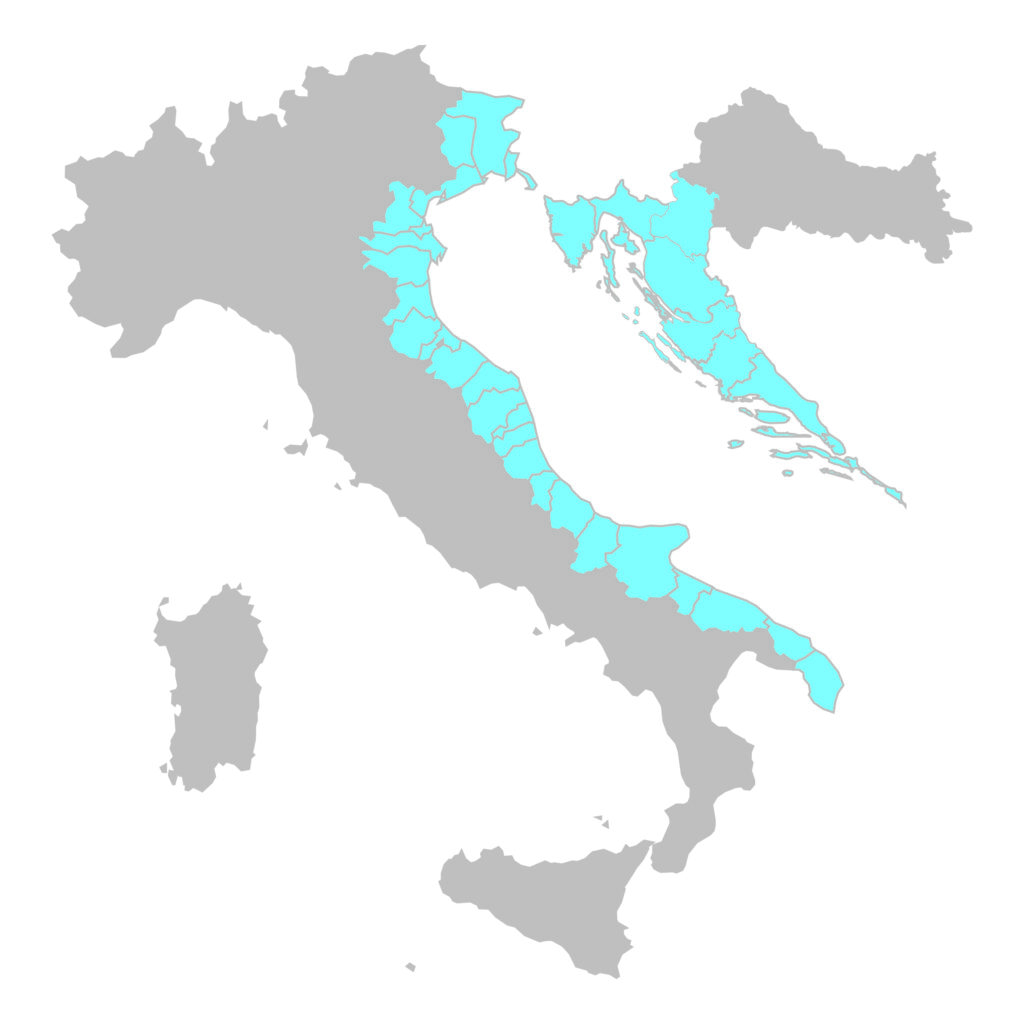
Key objectives analyse knowledge generated by Italy-Croatia programme projects and identify key climate change impacts on Adriatic coastal systems highlight successful response strategies and good practice examples for climate adaptation improve cross-border knowledge exchange and cooperation among institutions and stakeholders promote integrated planning approaches that consider physical, geomorphological, ecological, and socio-economic dimensions of climate change […]
CoLD
Key objectives The CoLD Project had the objective to improve Lebanese and Syrian national capacities relying on advanced tools for environmental management and planning of coastal zones, according to the principles of sustainable development. The main objectives were the following: Prepare a diagnostic analysis of the human impacts causing land degradation Characterisation of the study […]
CO-EVOLVE
Partnership Key objectives CO-EVOLVE aimed to strengthen the sustainability of coastal and maritime tourism by improving understanding, planning and cooperation across the Mediterranean. In particular, it aimed to: Main results CO-EVOLVE generated a comprehensive analytical and practical basis for improving the sustainability of tourism in Mediterranean coastal areas. The main results include: […]
Adriadapt
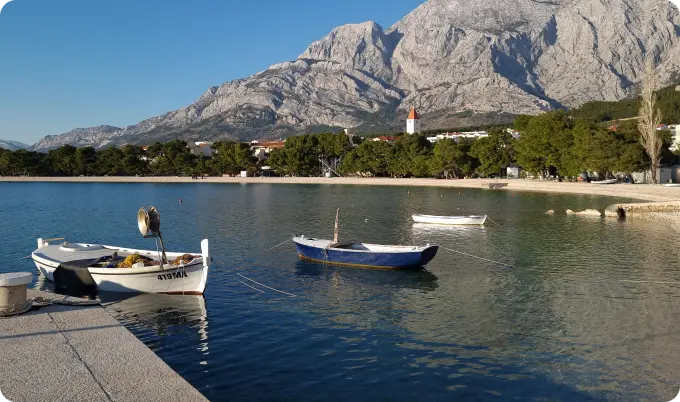
Project overview AdriAdapt is a European cooperation project aimed at strengthening climate resilience in Adriatic coastal and urban areas. It focuses on supporting local and regional authorities in planning and implementing climate change adaptation measures through improved knowledge, tools, and governance approaches. The project responds to increasing climate risks in the Adriatic region, including sea-level […]
Türkiye
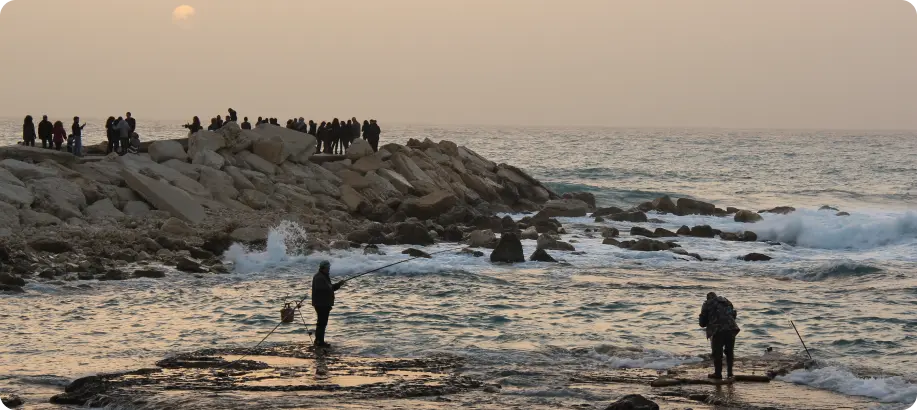
Project overview The CAMP Turkey – The Bay of Izmir project was one of the first Coastal Area Management Programmes (CAMPs) implemented under the Mediterranean Action Plan (MAP) of the Barcelona Convention. It was carried out through a cooperation agreement between the Government of Türkiye and UNEP/MAP. The project focused on the Izmir metropolitan coastal […]
Tunisia
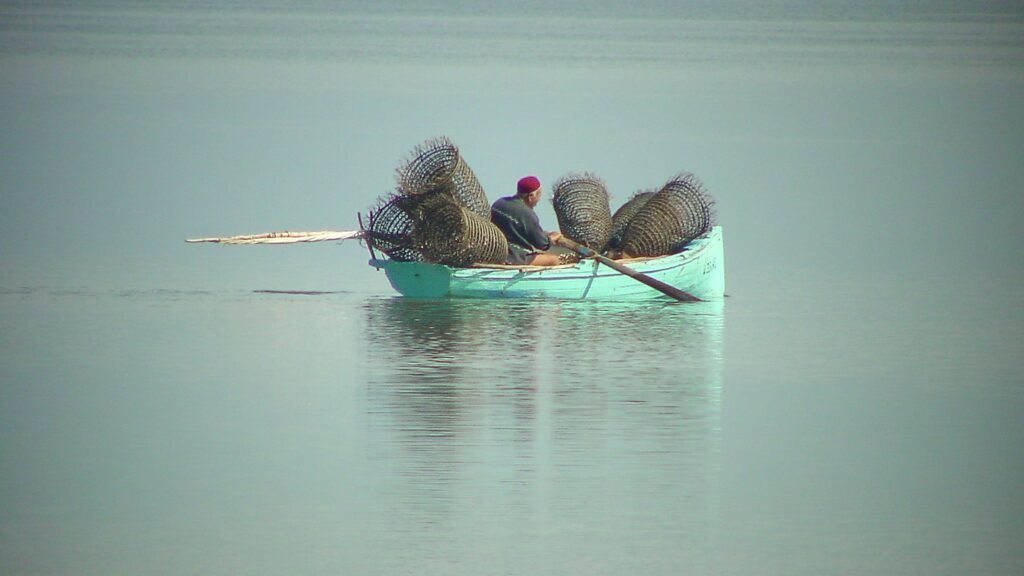
Project overview The Coastal Area Management Programme (CAMP) Sfax was implemented under the Barcelona Convention to support integrated coastal area management in one of Tunisia’s most important industrial and urban coastal zones. The project covered the city of Sfax and its wider metropolitan area (Big Sfax), located on the northern shore of the Gulf of […]
Syria
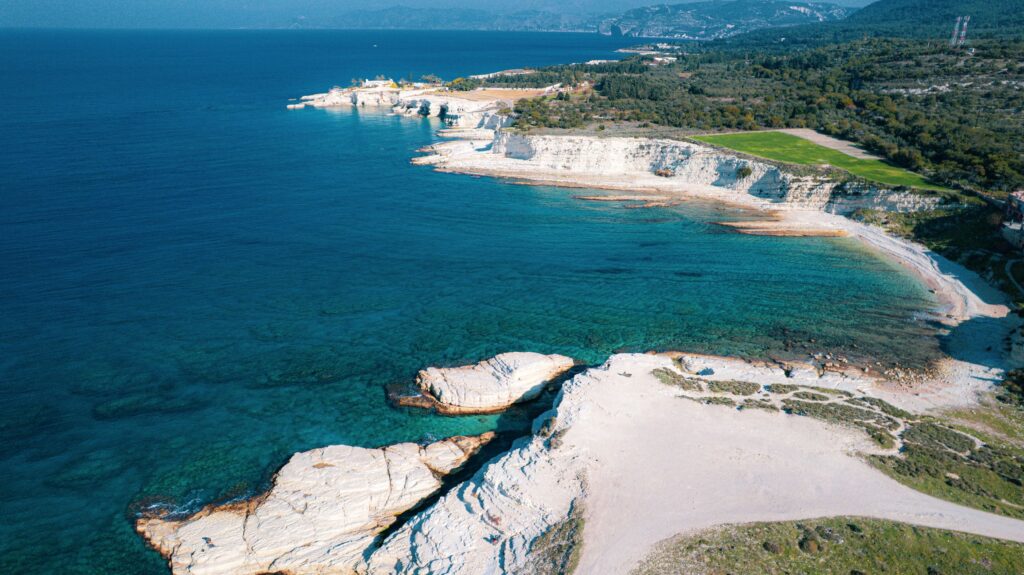
Project overview CAMP Syria focused on the country’s Mediterranean coastal region, extending along 190 km of coastline and representing one of Syria’s most economically and environmentally significant areas. Although covering only around 2% of the national territory, the region accounted for approximately 11% of the population and contributed around 11% of the national GDP. The […]
Spain
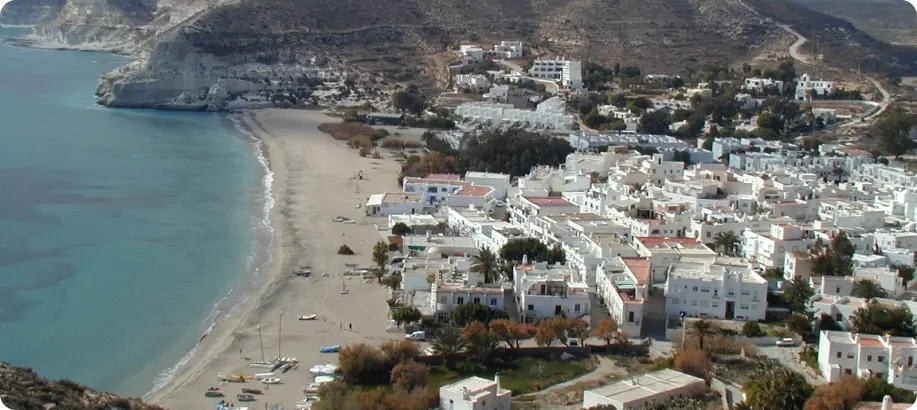
Project overview CAMP Spain was located on the southeast coast. The project covered over 219,000 hectares in the province of Almería, including both land (148,000 ha) and marine (71,000 ha) areas. It involved eight municipalities — Pulpí, Cuevas de Almanzora, Vera, Garrucha, Mojácar, Carboneras, Níjar, and Almería — with flexibility to engage nearby inland areas to […]
Slovenia
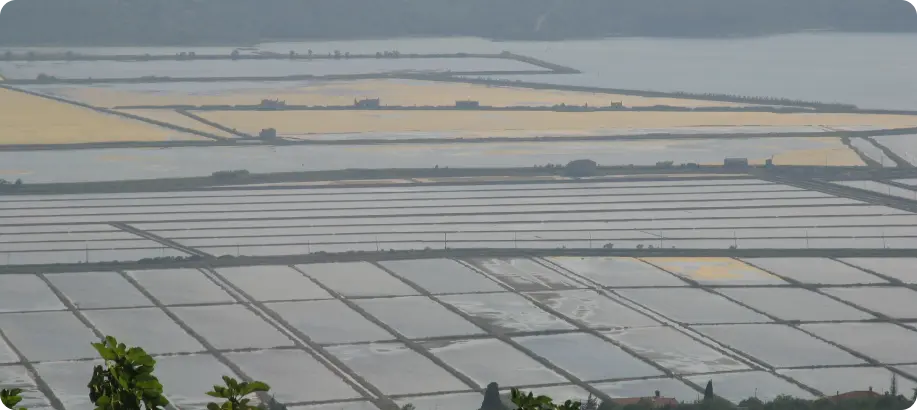
Project overview CAMP Slovenia focused on the country’s small but densely populated coastal region and adjacent hinterland. Depending on the planning scale, the project area included: 3 coastal municipalities, 8 municipalities of the Coast-Karst hinterland region. Home to around 100,000 people (with 80% living along the coast), this economically dynamic area relies heavily on services, tourism, […]